GLP-1 prescription medications like semaglutide and liraglutide have become valuable tools for managing weight and controlling appetite. These drugs mimic the body’s natural GLP-1 hormone, helping you feel full longer and slowing gastric emptying. While this can support weight-loss efforts, it also means certain foods may be more difficult to tolerate or could undermine your healthy eating habits on a GLP-1 diet.
Figuring out which foods to avoid for weight loss on GLP-1 can make your journey smoother. In this guide, we’ll outline six categories of foods to avoid on GLP-1 medications and offer practical, budget-friendly swaps. We’ll also highlight GLP-1 weight loss foods to embrace, share tips on portion control, and explain the importance of protein, fiber, and proper hydration.
If you’re unsure what to eat while taking GLP-1, it helps to recognize that some items—like very high-fat or overly sweet foods—may trigger nausea, bloating, or blood sugar spikes. By reducing these problematic choices, you’re more likely to maintain balanced energy levels and stick with your GLP-1-friendly eating plan over the long term. Let’s take a closer look at the top items to limit.
Greasy and Fried Foods
Greasy, fried options such as French fries, fried chicken, and tempura vegetables can be especially tough to digest when GLP-1 medications slow down your stomach’s emptying time. You might notice increased bloating or even nausea on GLP-1, making it hard to enjoy meals and meet your nutrition goals.
Healthier Cooking Methods
Instead of deep-frying, try oven-baking or air-frying lean proteins and vegetables. For example, lightly coat chicken tenders in whole-wheat breadcrumbs and bake until crispy, or make homemade kale chips with a spray of olive oil and a pinch of sea salt.
Very High-Fat Meals
Meals loaded with saturated fats—like double cheeseburgers, bacon-wrapped everything, and rich cream sauces—can overwhelm your digestive system when taking GLP-1 drugs. High-fat foods may lead to discomfort, indigestion, or an unpleasant queasy feeling.
Moderate Healthy Fats
Choose smaller portions of monounsaturated or polyunsaturated fats. Add a quarter of an avocado to your salad or omelet, use a tablespoon of extra-virgin olive oil on steamed veggies, and sprinkle chia seeds into smoothies for an omega-3 boost.
Sugary Drinks and High-Sugar Foods
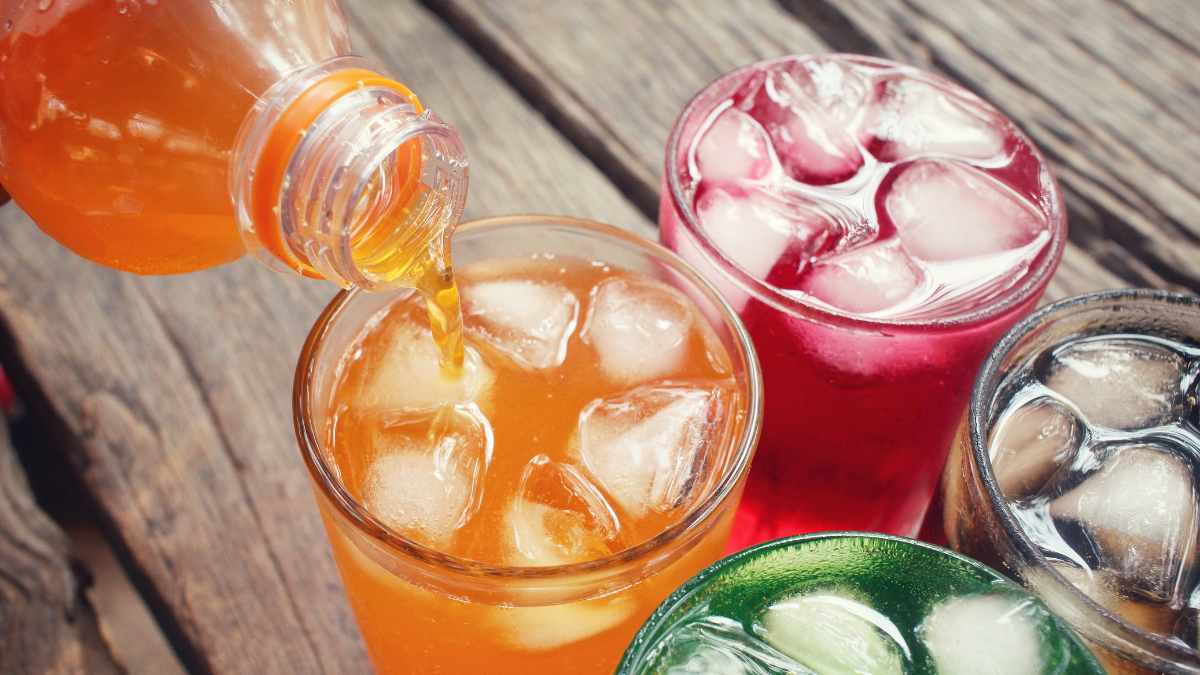
Sugary beverages, such as soda, sweetened coffee drinks, and fruit juices, along with high-sugar snacks and desserts, can cause rapid blood sugar spikes. These spikes often lead to a crash, leaving you feeling tired and hungry, which works against GLP-1 weight loss foods that emphasize stable energy levels.
Low-Sugar Swaps
Replace sodas and sweetened teas with sparkling water infused with citrus slices or herbal iced tea. When you crave something sweet, try fresh berries with a dollop of plain Greek yogurt or a small piece of dark chocolate to satisfy your sweet tooth without derailing your diet.
Highly Processed Snack Foods
Pre-packaged snacks like potato chips, cheese puffs, and store-bought pastries are usually high in refined carbs, salt, and unhealthy fats. These convenient treats are low in nutrients and may encourage overeating with minimal satiety, making it harder to stick with a balanced GLP-1-friendly meal plan.
Nutrient-Dense Snack Ideas
Opt for whole foods such as sliced cucumber with hummus, a mix of raw almonds and walnuts, or a hard-boiled egg paired with whole-grain crackers. These options offer a combination of protein, fiber, and healthy fats to help keep hunger at bay.
Large Portions and Oversized Meals
With a slowed digestive process on GLP-1 medications, eating oversized meals can lead to discomfort, indigestion, and a feeling of extreme fullness that lasts for hours. Large portions can also unintentionally increase your calorie intake, making weight management more challenging.
Portion Control Strategies
Use smaller dinner plates, measure grains with a half-cup scoop, and aim for a palm-sized serving of protein at each meal. Pause halfway through eating to assess whether you’re still hungry and avoid going back for seconds automatically.
Alcohol
Alcohol contains empty calories and may alter how your body absorbs nutrients while taking GLP-1 medications. You could experience increased sensitivity, leading to dizziness, nausea, or a stronger buzz than usual.
Guidelines for Occasional Drinking
If you choose to drink, limit yourself to one standard drink—like a 5-ounce glass of dry wine or a 12-ounce light beer—and sip slowly. Always discuss alcohol consumption with your healthcare provider to understand any specific risks.
Healthy Foods for GLP-1 Weight Loss
To support your goals, fill your plate with lean proteins (chicken, turkey, fish, tofu), non-starchy vegetables (spinach, Brussels sprouts, bell peppers), whole grains (quinoa, brown rice, steel-cut oats), and modest portions of healthy fats (avocado, nuts, seeds). These GLP-1 weight loss foods can help you feel satisfied and nourished.
Protein, Fiber, and Fluid Balance
A balanced meal with protein, fiber, and healthy fats helps regulate blood sugar and keeps you full longer. Aim for at least 20 grams of protein per meal and 25–30 grams of fiber per day. Hydration also plays a key role: drink water before and during meals to aid digestion and manage appetite.
Smaller Bites, Slower Meals
Eating slowly and chewing thoroughly gives your body more time to send fullness signals to your brain. Try taking at least 20 minutes to finish a meal, set down utensils between bites, and tune in to hunger and fullness cues to prevent overeating.
No One-Size-Fits-All GLP-1 Diet
Everyone’s tolerance varies when it comes to GLP-1 prescription meds. Some may handle small amounts of fat better, while others prefer specific textures. Track your meals and symptoms to discover which foods support your comfort and progress, and adjust accordingly.
Consult Your Healthcare Team
This information is not a substitute for professional medical advice. Always consult your doctor or pharmacist about medication-specific dietary recommendations, potential interactions, and any side effects like persistent nausea or abdominal pain.